June 26, 2026 · Pluma Fried Chicken
Why We Fry in Beef Tallow — and What "Seed Oil Free" Really Means
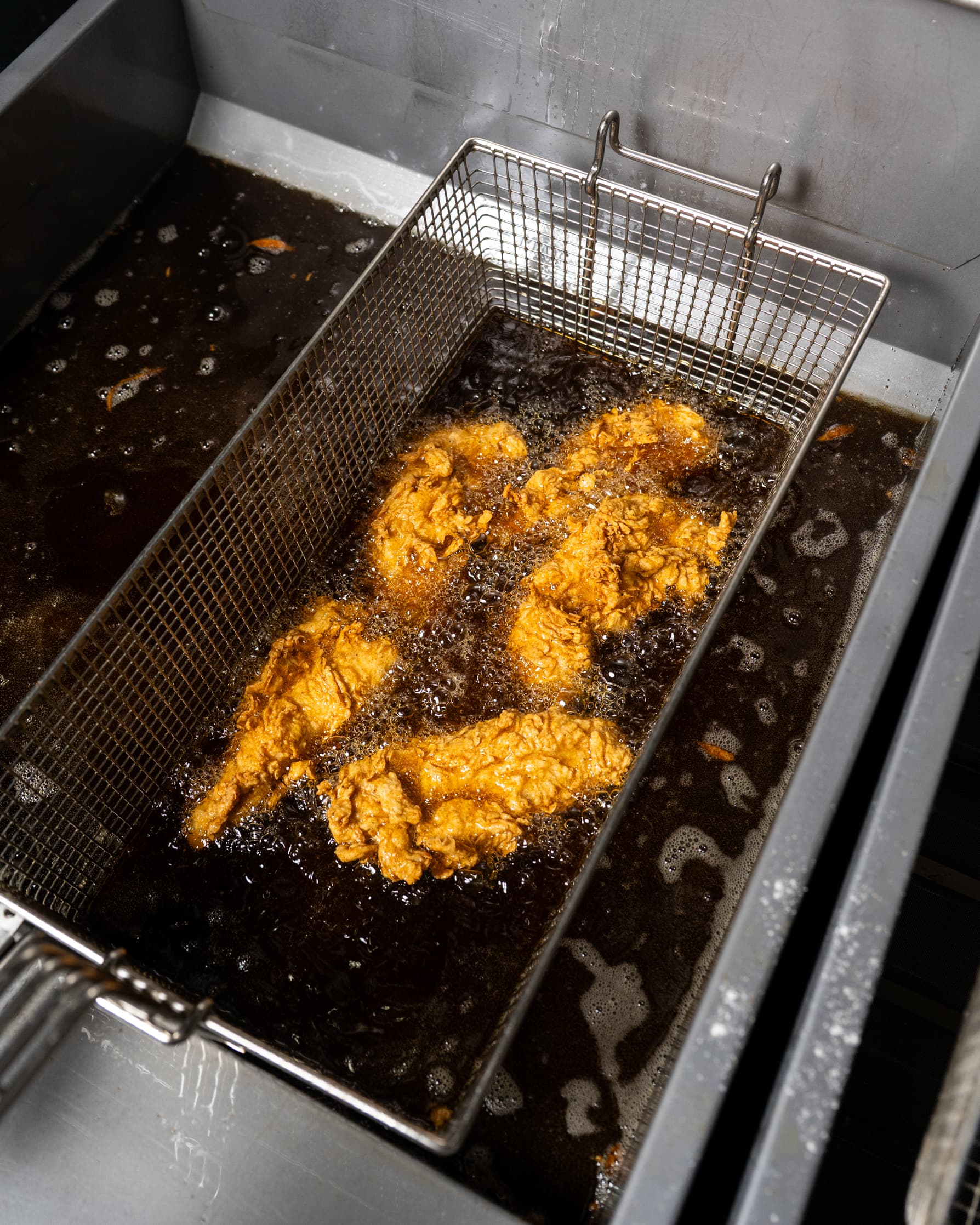
People ask us some version of the same question almost every day: what's the deal with the tallow? It's a fair one. Most fried chicken — from the corner spot to the national chains — comes out of a fryer full of seed oil. We do it differently, on purpose, and it changes the food in ways you can actually taste.
Here's the honest explanation, no health-guru theatrics.
First, what is beef tallow?
Beef tallow is simply rendered beef fat — slowly melted down, clarified, and cooled into a stable cooking fat. If that sounds old-fashioned, that's because it is. From the 1940s through the 1980s, tallow fried a huge share of American food. Diners ran on it. Even McDonald's famously cooked its original fries in beef tallow before switching to vegetable oil.
It wasn't called "heritage cooking" back then. It was just how food was fried.
What are seed oils, and why did everyone switch?
"Seed oils" means industrial vegetable oils pressed from seeds — canola, soybean, corn, sunflower, and the generic "vegetable oil" blends. Starting in the late '80s, restaurants moved to them en masse. The reasons were mostly practical: seed oils are cheap, neutral in flavor, and easy to source consistently at massive scale.
That made sense for industrial kitchens optimizing for cost. It just didn't make the food better.
What actually changes when you fry in tallow
This is the part that matters at the table. Three real differences:
- The crust. Tallow is stable at high frying temperatures, so the outside sets into a genuinely crisp, shattering crust instead of a soft or greasy one — while the inside stays juicy.
- The flavor. Tallow brings a rich, savory depth that seed oils simply don't have. And critically, it doesn't coat your palate the way a heavy seed-oil fry can. You taste the chicken, not the oil.
- What's left out. No seed oils means a shorter, more recognizable ingredient list — which is exactly what a lot of people are looking for now.
It's the same reason the difference shows up in our fries. Fresh-cut potatoes fried in tallow taste the way fries used to taste — crisp outside, creamy inside, clean finish.
What "seed oil free" really means (and what to watch for)
"Seed oil free" gets used loosely, so here's the standard we hold ourselves to:
- The fryer is seed oil free — everything fried goes into beef tallow, not a tallow-and-oil blend.
- The sauces count too. This is where most "clean" kitchens slip. Mayo, aioli, and dressings are usually built on seed oils. If a kitchen is serious, it accounts for those.
- It's consistent, not occasional. Seed oil free isn't a special menu — it's how the whole kitchen runs.
If you're auditing a restaurant's claims, ask one question: what do you fry in, and what are your sauces made with? A confident, specific answer tells you most of what you need to know.
Not a trend — a return
The funny thing about beef tallow's "comeback" is that it's really just a return to how things were before convenience replaced craft. The broader food world is noticing — even the latest U.S. dietary guidelines now name butter and beef tallow among acceptable cooking fats. But we didn't make the switch because of a headline. We made it because every weekend our tallow pop-up sold out, and a growing community kept telling us the same thing: how you cook matters.
So that's the deal with the tallow. No seed oils. Just the way fried chicken was meant to be made.
Come taste the difference. Pluma Fried Chicken — 5140 Biscayne Blvd, Miami. Open Wed–Sun, 12–10. See the menu · Our story